Play Therapy
“It’s the things we play with and the people who help us play that make a great difference in our lives.”
— Fred Rogers, The World According to Mister Rogers


How can play be therapy?
Play might look like it’s just for fun, but underneath the surface, it’s how children process what they don’t yet have words for.
The act of playing, creating, and using the senses through games, arts & crafts, sand-tray, role play, or music and dance, engages a child’s imagination freely and allows them to explore openly without any expectations or judgement.
By using the language of play: Children are able to build confidence, communication skills, and coping strategies through a growing understanding of who they are and the world around them.
Play can also help children can work through big emotions from a safe distance, and gain a sense of control over experiences that may otherwise feel overwhelming.
What happens in a play therapy session?
Play therapy can be directive or non-directive.
In the directive approach, the therapist may guide the play with a specific goal in mind, sometimes providing a select number of options for the client to choose.
In a client-centered non-directive approach, the client is free to choose the toys, props, games and activities and play in their own way with limited instructions. The therapist observes closely, participating based on the client’s leading.
The goal is to create an environment where one can be comfortable, feel safe to explore, and where there are few limitations. This allows the greatest opportunity to promote curiosity and engagement.
Some of the techniques used in play therapy include:
Role-play & Social Engagement
Puppets and mask making
Dramatic play and improvisation
Role and scenario making
Problem Solving
Creative visualization
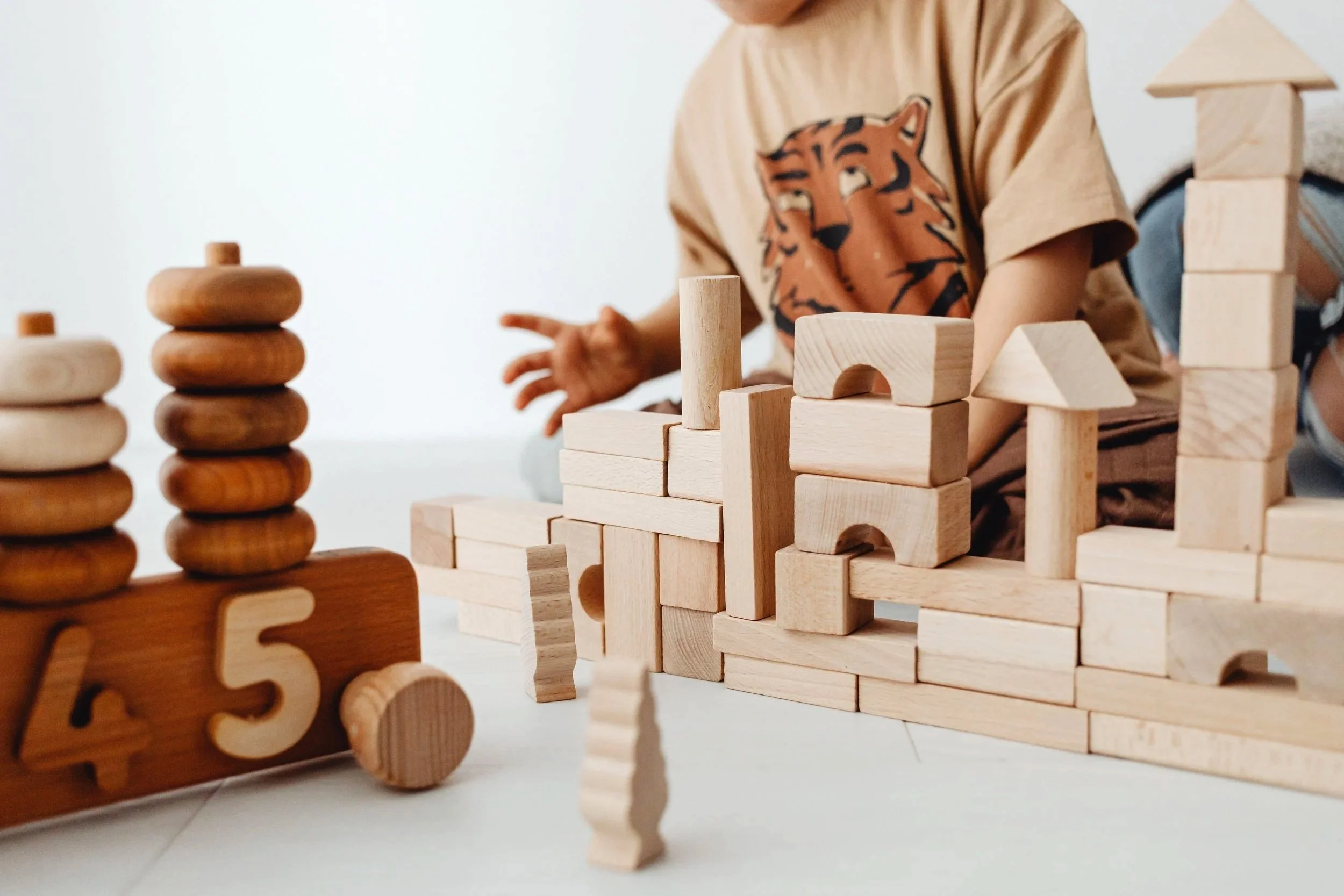
Blocks and construction toys
Board games and puzzles
Sensory exploration
Creative Expression
Art making
Music play and sound making
Dance and creative movement
Metaphorical & Symbolic
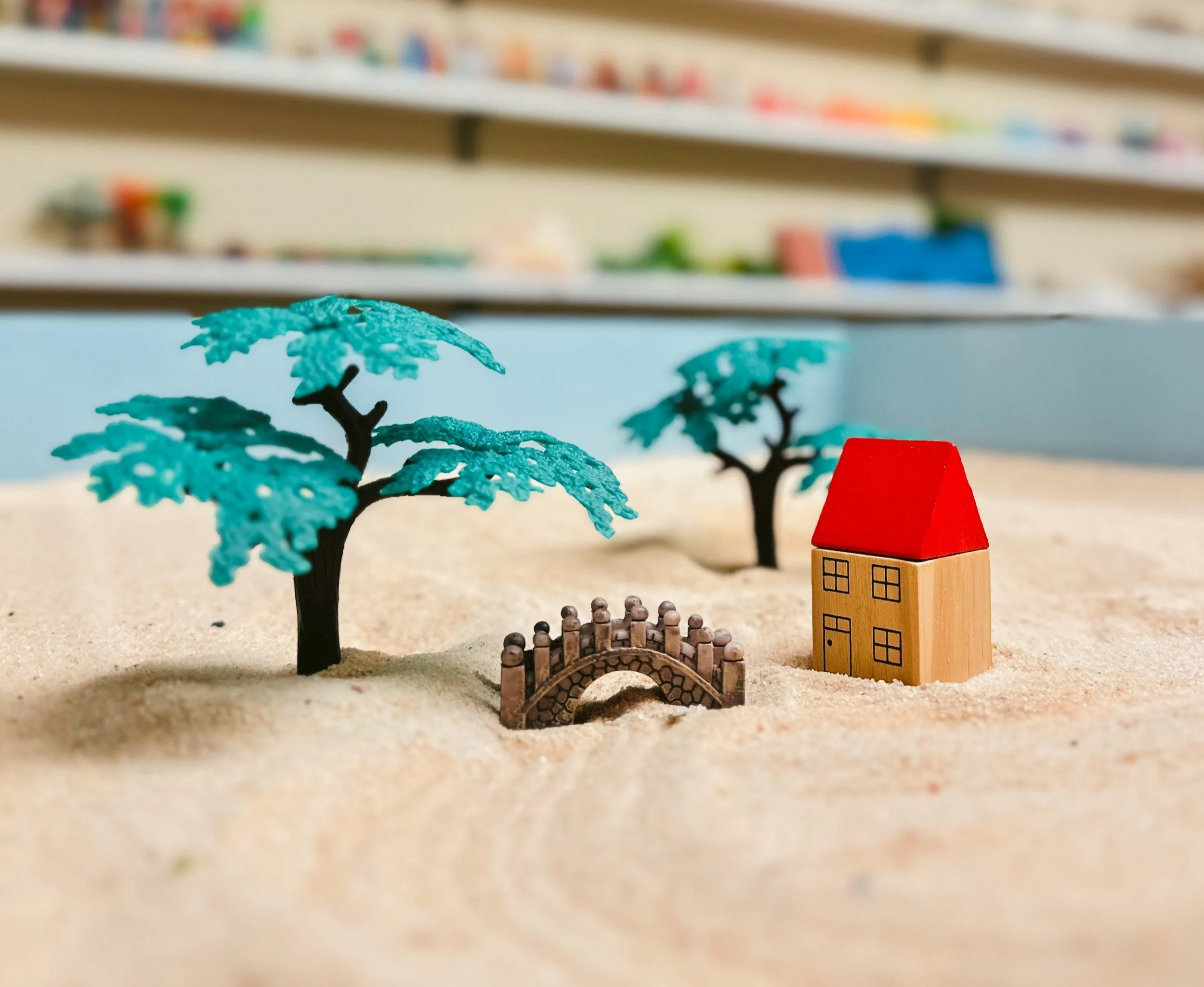
Sandtray
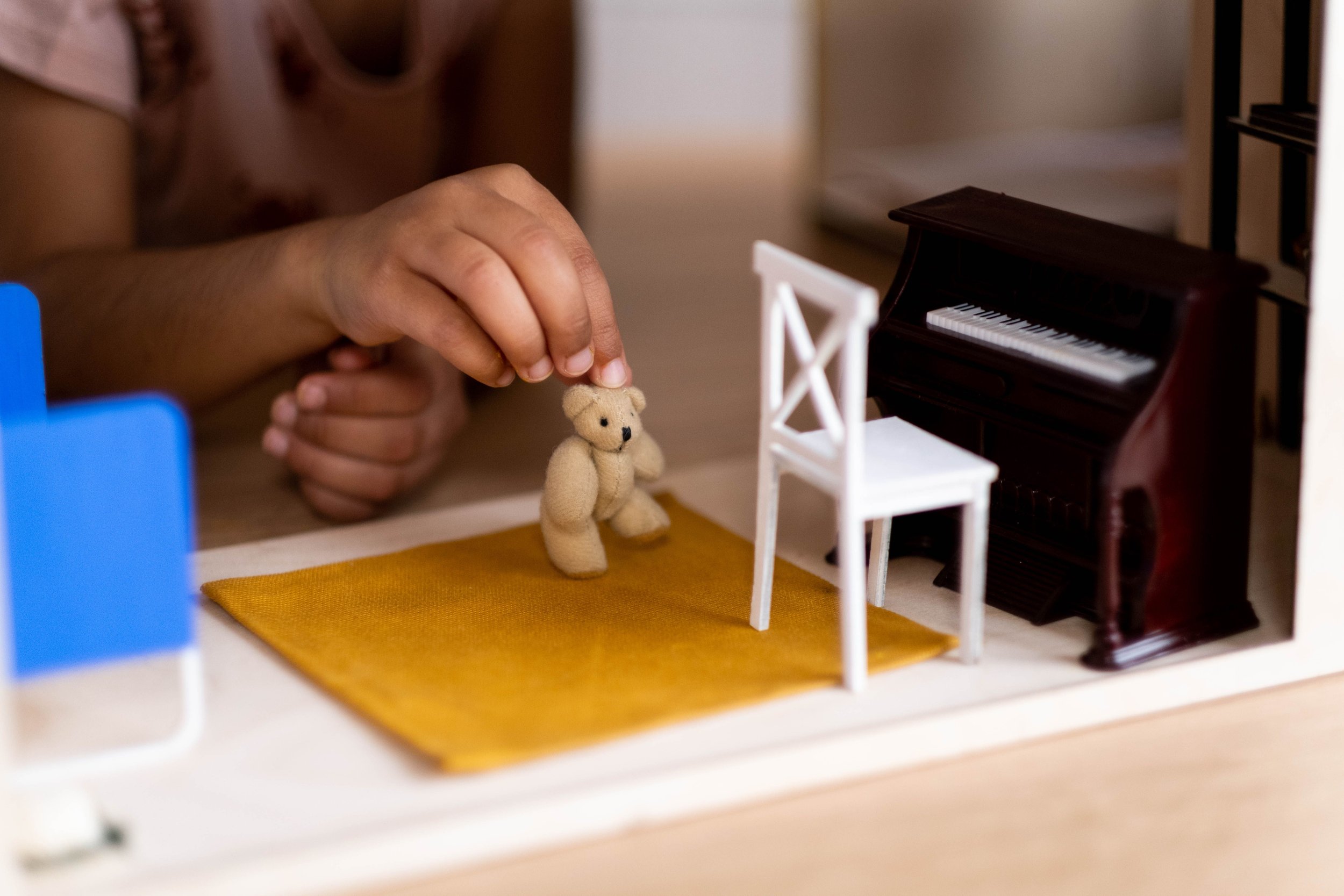
Dolls, action figures, stuffed animals
Dream interpretation
Storytelling
How does play therapy work?
During a play session with a skilled and trusted therapist, a child is able to explore their innermost feelings and deep rooted emotions that may be difficult to express with words.
Play therapy provides a way to act out fears and anxieties, as a soothing mechanism, or to heal and problem-solve in new ways. Toys, figures, and natural objects can act as symbols and take on greater meaning.
Play therapy provides an avenue to work on strategies for dealing with particular scenarios and can help reveal hidden traumas and promote healing.
Play therapy can help children who are experiencing:
Anger Management Issues
Anxiety & Depression
Behavioral Issues
Social Difficulties
Trauma & Loss
Chronic Illness
Self-Esteem and Identity
Difficult Life Transitions
Explore All Treatment Approaches